

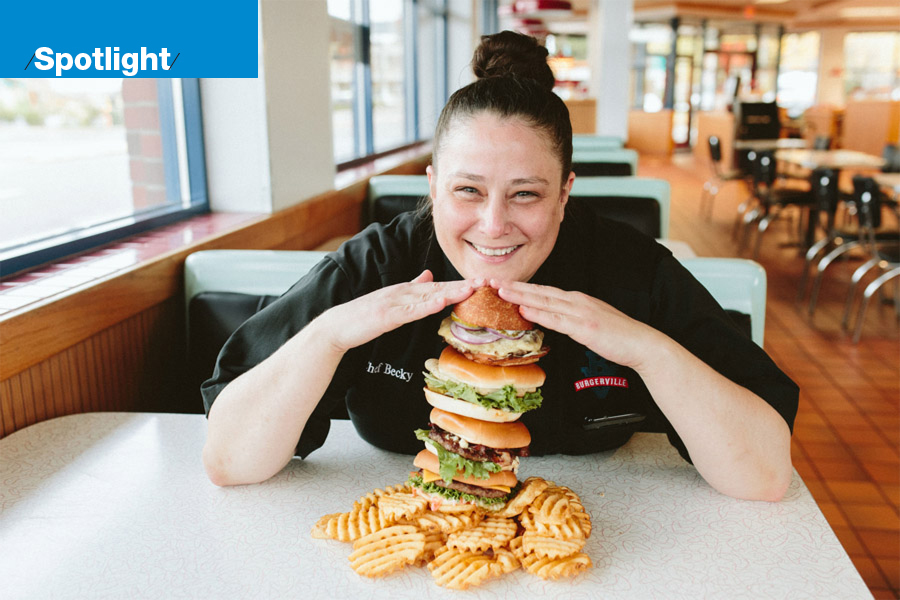
How Burgerville turns Pacific Northwest ingredient sourcing into a sustainability model — and a better burger.
For decades, Burgerville has demonstrated that quick-service food and responsible sourcing don’t have to be at odds — and the proof is in the patty.
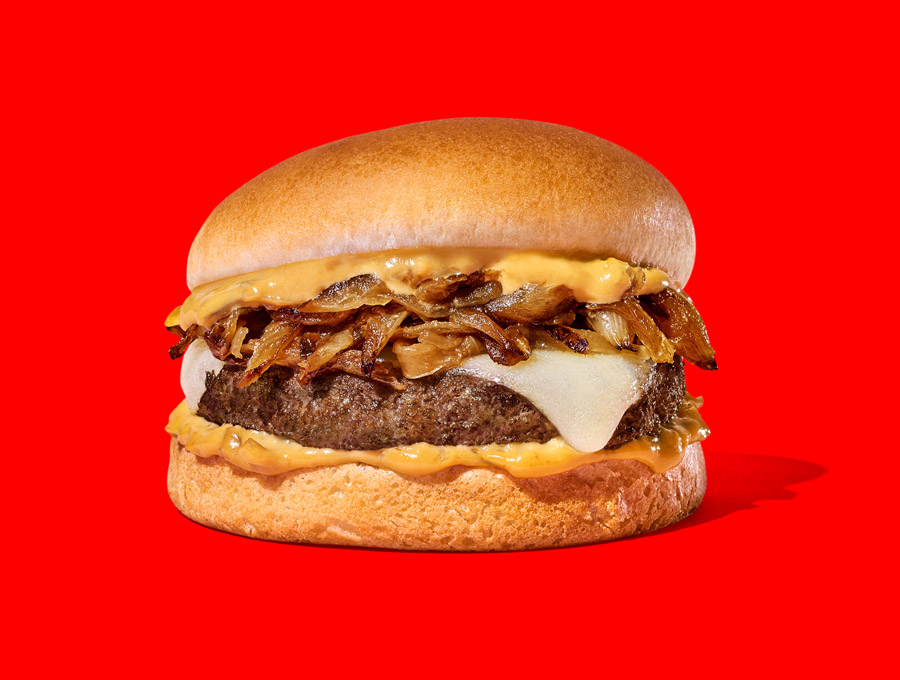
The Pacific Northwest restaurant chain’s newest permanent menu item, the Grass-Fed Sweet Onion Burger, is a star example of how local ingredients, thoughtful partnerships and sustainability-minded practices come together on a single bun. Rooted entirely in regional flavor, the burger features regeneratively raised beef from Eastern Oregon alongside locally produced cheese, onions and buns — each ingredient part of a carefully built sourcing story that starts close to home.
“Working with Oregon producers reinforces our core belief that if food is raised, produced or created the right way, it simply tastes better,” says Burgerville executive chef Becky McGrath. “Our beef suppliers, including Country Natural Beef in Central Oregon and Carman Ranch in the Wallowa Valley, are both deeply committed to raising cattle humanely and to sustainable agriculture practices.”
Behind the burgers is a sourcing system built on vetting, long-term relationships and a deep understanding of Pacific Northwest seasonality. Here McGrath shares how Burgerville turns those partnerships into everyday menu decisions across its restaurants.
What does the vetting process look like when you consider a new farm or producer partner?
At Burgerville, we always prioritize partners in the Pacific Northwest who align with our values, particularly when it comes to quality and transparency. Many prospective partners come through referrals in our network, which gives us a strong foundation of trust from the start. If a new producer or brand reaches out, we research where it comes from, the company’s sustainability practices, their scale and if it feels like a long-term fit. And of course, the product must taste good and pair well with our menu.
How does sourcing locally affect menu development timelines compared to a traditional quick-service model?
Local sourcing simultaneously makes menu development easier and more challenging, but in the best ways. For our seasonal menus, we’re able to plan around Oregon’s and Washington’s seasonal bounty: asparagus, fresh berries, Walla Walla onions, etc. Of course, some items may only be available for a short window, or have a larger or smaller bounty than usual, so planning menu rollout and availability can be challenging. Luckily, we’ve been running our seasonal menu program for decades, so we have the process from harvest to finished product down well.
Can you share a moment when working closely with an Oregon producer directly influenced a menu item or ingredient choice?
One of my favorite partnerships was with Don Froylan Creamery, which makes amazing artisanal Mexican cheeses down in Salem. For our new Salem restaurant opening, we worked closely with Don Froylan’s team to create a cheese including their creamy Asadero cheese mixed with jalapeno, habanero and serrano chilis, resulting in a delicious Tres Chilis cheese that was featured on the Don Burger. This burger was sold exclusively at our Salem and Woodburn locations as part of our community LTO program, where a percentage of proceeds from the burger went to support local food nonprofits in the area.
Do customers notice or ask about where ingredients come from?
A big part of why customers come to Burgerville is because of our local sourcing, which also means a higher-quality — and super tasty! — product. Our customers have told us that supporting local businesses that have a strong sustainability focus is something they value, so ingredient sourcing is top-of-mind. In many cases, our collaborations with well-known regional producers like Stumptown or Carman Ranch also bring new customers in the door who want to try something new with their favorite brands.
What’s something customers would be surprised to learn about the logistics behind getting local ingredients into every restaurant?
Customers would be surprised to learn that some seasonal ingredients arrive the day before or the day of being served on the menu. For example, the fresh Oregon strawberries we purchase from Liepold Farms in Boring, Oregon, are picked and packed right at their peak ripeness, then transported to the restaurants, so our guests receive the freshest possible shakes, desserts and lemonades they can get.
Fast Facts: Burgerville’s Sustainability Practices
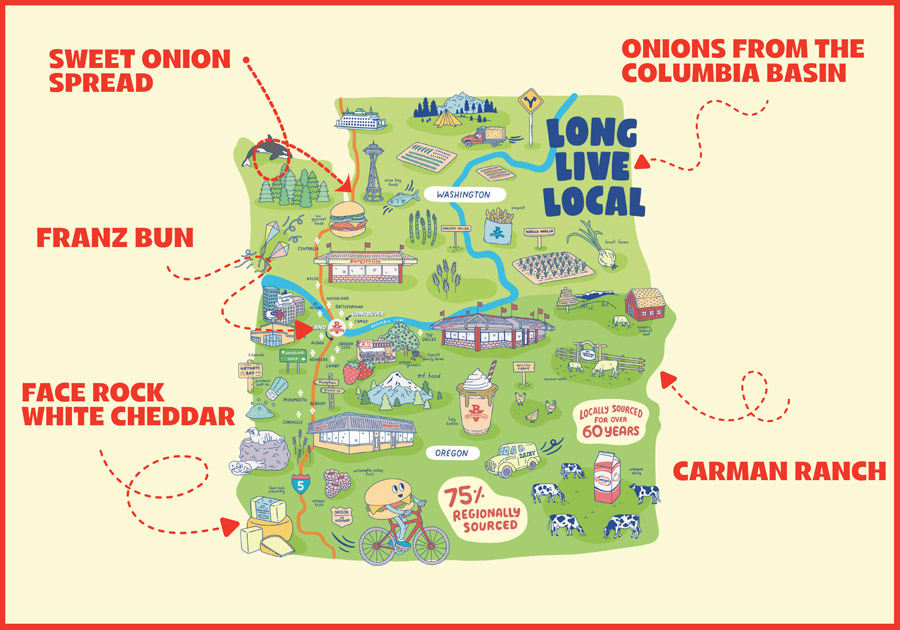
- Burgerville is a sustainable choice, keeping its carbon footprint small by sourcing 75% of its ingredients within 400 miles of its headquarters in Vancouver, Wash.
- This was a strategic decision to support Burgerville’s mission of serving with love by delivering high-quality, local and sustainably sourced food while supporting the Pacific Northwest economy. For 65 years now, the company has stayed true to this mission.
- To make this possible, Burgerville partners with many regional farmers and producers — from Portland’s own Franz Bakery, which provides all the buns for Burgerville’s burgers, to sourcing berries from Liepold Farms in Boring, specialty salts for seasonal items from Jacobsen Salt Co., cold-brew coffee from Stumptown Coffee Roasters and more.
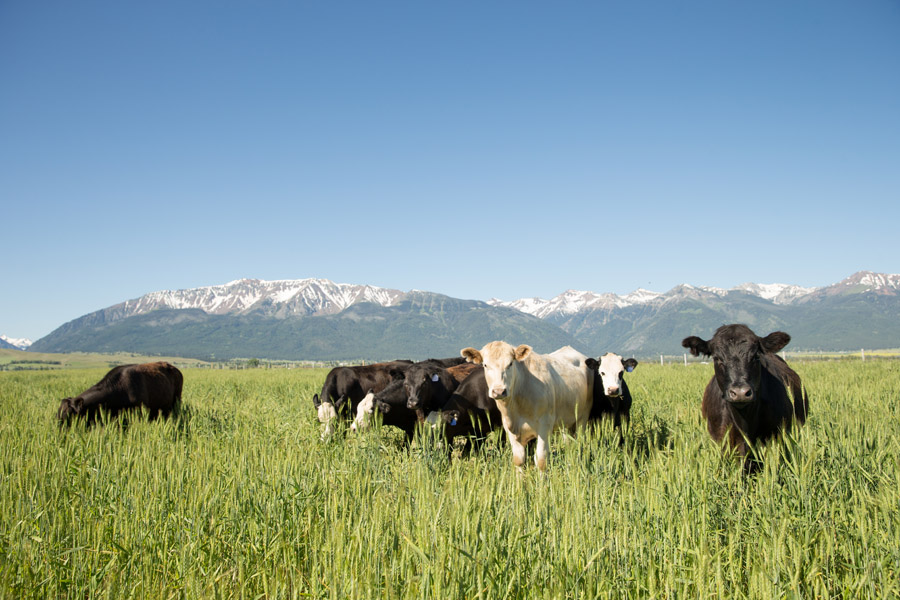
- Many of the farmers Burgerville works with use regenerative agriculture and sustainable practices on their farms. For example, Carman Ranch (Wallowa) provides the grass-fed beef for Burgerville’s new Grass-Fed Sweet Onion Burger. On the ranch, cattle live a natural life with the herd, grazing on native grasses, which makes the beef a cut above the rest.
- Country Natural Beef, a co-op of family ranchers across the region and one of Burgerville’s longest-running partners, supplies beef for many of Burgerville’s burgers and works to support sustainable practices across all levels of farming operations.
- Each sourcing partner is carefully vetted and selected based on quality, alignment with values and how they demonstrate the best the Pacific Northwest has to offer.