
A training program for the building management workforce that saves Oregon building owners big money and advances the careers of building managers is open for enrollment.
As Oregon faces ongoing workforce shortages in skilled building operations and rising pressure to modernize aging infrastructure, a proven training pipeline is delivering measurable results—reducing energy costs, improving system performance, and helping facilities meet increasingly complex compliance requirements.
ACT NOW! ENROLLMENT AND REIMBURSEMENT DEADLINES APPROACHING!
Building owners and managers gain both internal and external support by implementing and building on the skills already gained through Building Operator Certification (BOC).
Those who enroll their organization in Strategic Energy Management (SEM) stand to gain the most by putting the best energy management practices into action (saving money while improving safety and efficiency) and gaining access to dedicated energy coaches who will answer questions, offer guidance, and support your success.
Participants also gain access to a variety of additional free and heavily reimbursed training opportunities to expand their valuable knowledge and professional skills.
“It’s a great way to deepen your expertise, achieve lasting energy savings, and continue your career growth,” said Roger Ebbage, Northwest Water & Energy Education Institute director, while emphasizing the following advantages:
- Improve crew safety and building efficiency
- Save money (enrollment incentives/reimbursements are available)
- Advance your career
- 2026 Level II Cohort Begins in August
- Next Level II Cohort is not until winter 2027

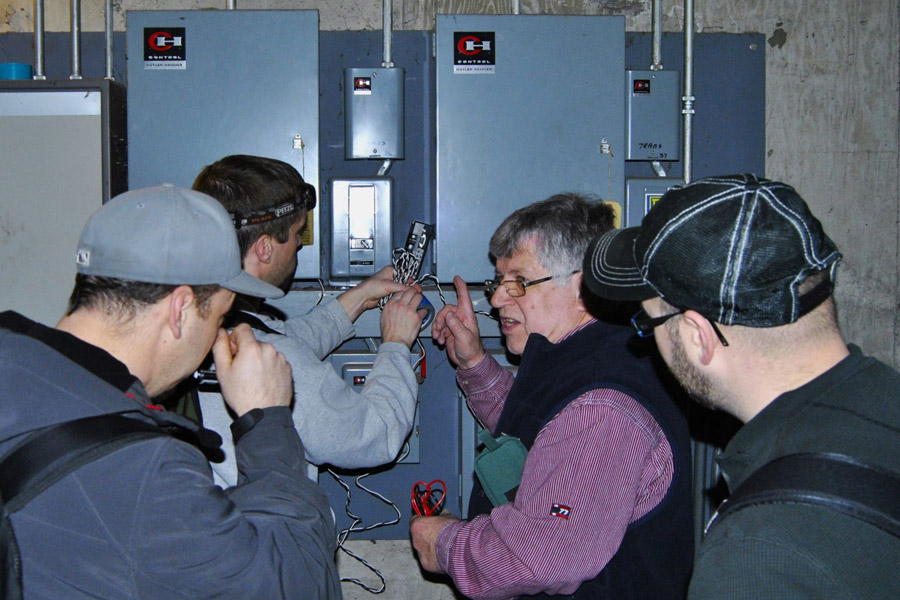
Across Oregon, building owners and facility managers are navigating a convergence of challenges: fewer trained technicians, higher utility costs, and stricter performance and regulatory standards. BOC training directly addresses these issues by preparing frontline staff to operate and optimize building systems more effectively.
Independent national evaluations of BOC programs show that trained operators consistently identify low- and no-cost improvements that reduce energy consumption—often generating up to $20,000 in annual savings per facility. These savings come through improved system controls, preventative maintenance, and smarter day-to-day operations.
At the same time, the program supports long-term infrastructure modernization. Participants gain a working understanding of how HVAC, lighting, water systems, and automated controls function together, enabling them to extend equipment life, reduce deferred maintenance, and improve overall building reliability.
“Facilities don’t just need upgrades—they need trained people who know how to operate what’s already in place,” said Roger Ebbage of NWEEI. “This program builds that workforce pipeline while delivering immediate financial and operational benefits.”
To sign up, contact Ebbage at 541-556-7724 or [email protected].