

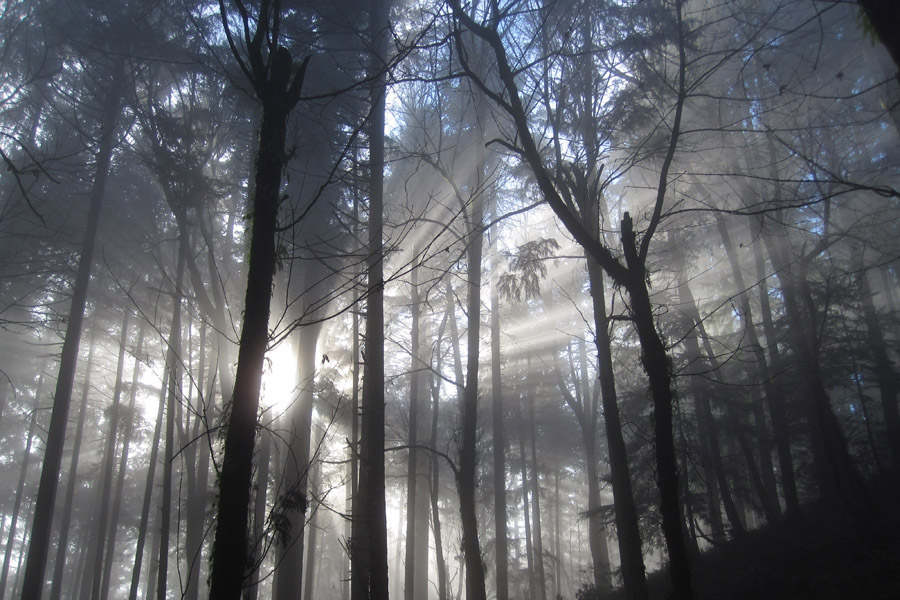
Free pilot transit service launching mid-June will improve access between key park destinations and Portland communities.
Portland Parks & Recreation (PP&R) is excited to launch the Forest & Washington Park Express Shuttle in mid-June to improve access between Forest Park and Washington Park and North, Northeast, and East Portland communities. This project is a public transit service funded by an Oregon Department of Transportation (ODOT) grant and aims to make it easier for Portlanders to visit the iconic parks.
The pilot project is provided by local shuttle operator EcoShuttle and launches June 12, 2026, with service on Fridays and Saturdays through August 22. Shuttle schedules vary and are available on the website.
“This shuttle makes special moments in some of our most iconic spaces possible for everyone,” says PP&R Interim Director Sonia Schmanski. “Hop on close to home, hop off in a beautiful Portland park – that can otherwise be hard to get to – and enjoy a great activity or a quiet walk around.”
PP&R will enhance the shuttle experience with the contributions of numerous community partners who will offer programming including guided hikes, events, and activities in Forest and Washington Parks. These partners have been key in shaping the shuttle service. Many organizations, such as People of Color Outdoors, Disabled Hikers, and Autism Society of Oregon, worked with PP&R to test ideas for the service and design policies that would best serve the communities they center.
“People of Color Outdoors (POCO) is honored to partner with Portland Parks & Recreation and ODOT on the Express Shuttle Project,” says Pamela Slaughter, POCO founder and executive director. “The shuttle is a ride, an invitation, and a reminder that these beautiful natural spaces are for all of us. The multiple stops throughout North, Northeast, and Southeast Portland communities meet people exactly where they are. I’m excited to share these spaces and to build community along the journey there and back.”
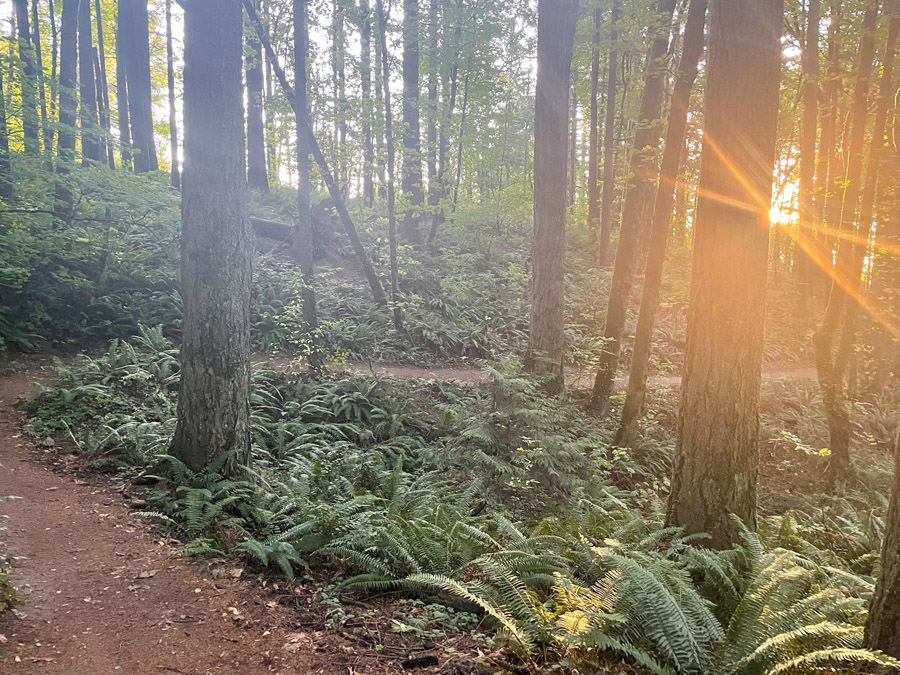
The shuttle will connect riders to key park destinations including the Lower Macleay Trail, Upper Macleay Trail, and Leif Erickson Trailhead at NW Germantown Road. It will also provide connections between Forest Park, Pittock Mansion, and Washington Park, including the TriMet Plaza next to the Oregon Zoo and the World Forestry Center. The Forest & Washington Park Shuttle is for people and service animals only; pets are not allowed.
For more information and materials in English and other languages, visit portland.gov/parks/park-shuttle.
“ODOT’s grant aims to fill gaps in our transportation system and make it easier for people to access services and destinations in areas that have lacked public transportation,” says Amanda Howell, ODOT innovative mobility program manager. “This pilot project is doing exactly that, and we are delighted to see the launch of the service this summer for more people to have access to natural areas and to be able to enjoy Oregon’s scenic parks.”
Portland Parks & Recreation offers warm thanks to TriMet and Explore Washington Park for offering their ongoing and extensive logistical and technical expertise.
“This shuttle pilot program is a unique and meaningful moment to connect communities in North, Northeast, and East Portland to nature,” says Nsilo Berry – Built Environment Program Specialist for Multnomah County Racial and Ethnic Approaches to Community Health (REACH). “Lack of accessible transit and distance has been a significant barrier. This free shuttle directly addresses this issue, increasing community members’ access to enjoy Forest and Washington Parks and experience Portland’s natural environments.”
This project is in response to long-running community interest. Community surveys PP&R conducted since 2012 found that lack of a personal vehicle, limited public transit access, and overcrowded or insufficient parking have been barriers to visiting Forest Park.
The shuttles can be used by individuals or groups. Please check the Express Shuttle Stop Activities Calendar for a list of available activities. Riders do not have to sign up for any activity to use the shuttle.
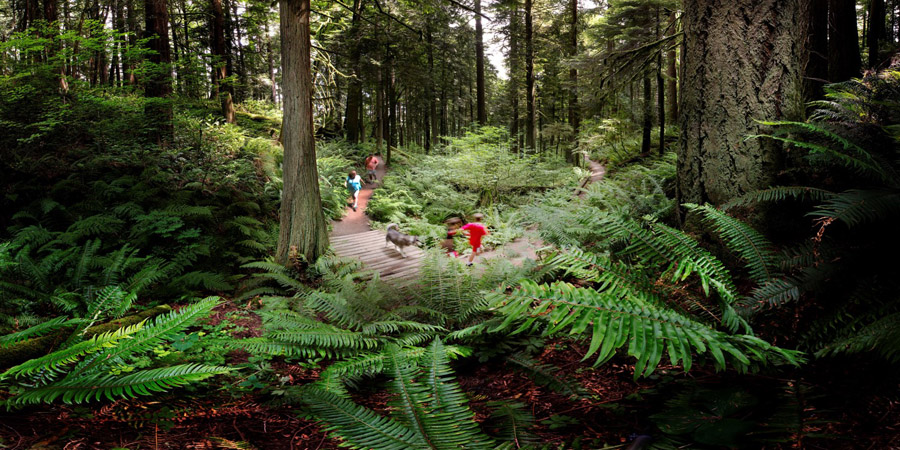
Forest Park stops:
- Lower Macleay Trail
- Upper Macleay Trail
- Leif Erickson Trailhead at NW Germantown Road
Washington Park stop:
- TriMet Plaza next to the Oregon Zoo/World Forestry Center, offering connection to the Free Shuttle in Washington Park.
There are also connections between Forest Park and Washington Park, to the Pittock Mansion and the TriMet Plaza.
North line
· Charles Jordan Community Center
· St Johns Community Center
· Leif Erikson Drive Trailhead at Germantown Road (Forest Park)
· Oregon Zoo / TriMet Plaza (Washington Park)
Northeast line
· Parkrose Transit Center
· Peninsula Park Community Center
· Lower Macleay Trailhead (Forest Park)
East line
· East Portland Community Center
· Gateway Transit Center
· Lower Macleay Trailhead (Forest Park)
Inner Park Loop
· Lower Macleay Trailhead (Forest Park)
· Upper Macleay Trailhead (Forest Park)
· Pittock Mansion
· Oregon Zoo / TriMet Plaza (Washington Park)
The project aims to have at least 50% of shuttle riders board at stops in neighborhoods that have limited public transit connectivity to Forest Park and/or Washington Park, and at least half of riders being first-time visitors to either or both parks.
Portland Parks & Recreation thanks our valued project partners:
- Autism Society of Oregon
- Bayanihan Center
- Bird Alliance of Oregon
- BirdHERS
- Black Men’s Wellness
- The Blueprint Foundation
- Disabled Hikers
- Drag Me Outside
- Explore Washington Park
- Forest Park Conservancy
- Foster Tree
- Hoyt Arboretum Friends
- Multnomah County REACH
- Multnomah County REACH ACHIEVE Coalition
- Oregon Chinese Coalition
- People of Color Outdoors
- Pittock Mansion
- Portland Parks & Recreation Environmental Education
- Portland Parks & Recreation Lifelong Recreation
- Slavic Community Center of NW
- Talk a Mile
- Vietnamese Community of Oregon
- Wonderfolk