Residents can shop local through a growing regional pickup network, subscription boxes and flexible online ordering options.
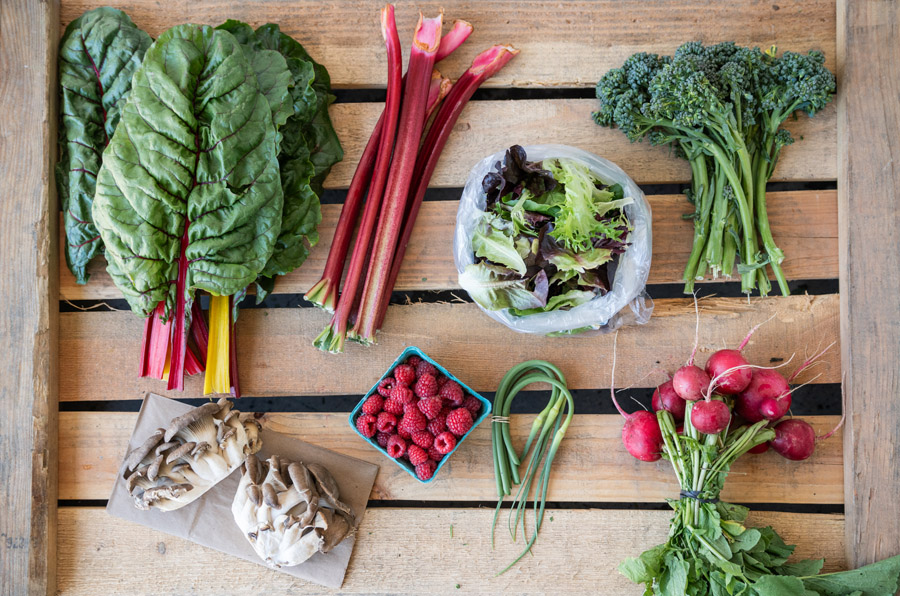
Agricultural Connections is making it easier for Central Oregon residents to shop local through a growing regional pickup network, flexible online ordering, Harvest Box subscriptions, and wholesale partnerships serving communities throughout the region. Through its online marketplace, Agricultural Connections connects customers with products from more than 38 local farms, ranchers, fishers, bakers, and food producers—all in one convenient place. Customers can browse hundreds of local products each week, including seasonal produce, meats, dairy, pantry staples, baked goods, specialty foods, and more. Orders are placed online between Thursday and Sunday, then packed fresh for pickup or delivery on Wednesday or Thursday the following week.
Local Food Access Across Central Oregon Agricultural Connections currently serves customers through seven pickup locations across Bend, Redmond, Sisters, and Sunriver, with home delivery available right to your doorstep for customers within the delivery zone (check the map to see if you’re in the zone!) Together, these options help residents throughout the region access local food closer to home.
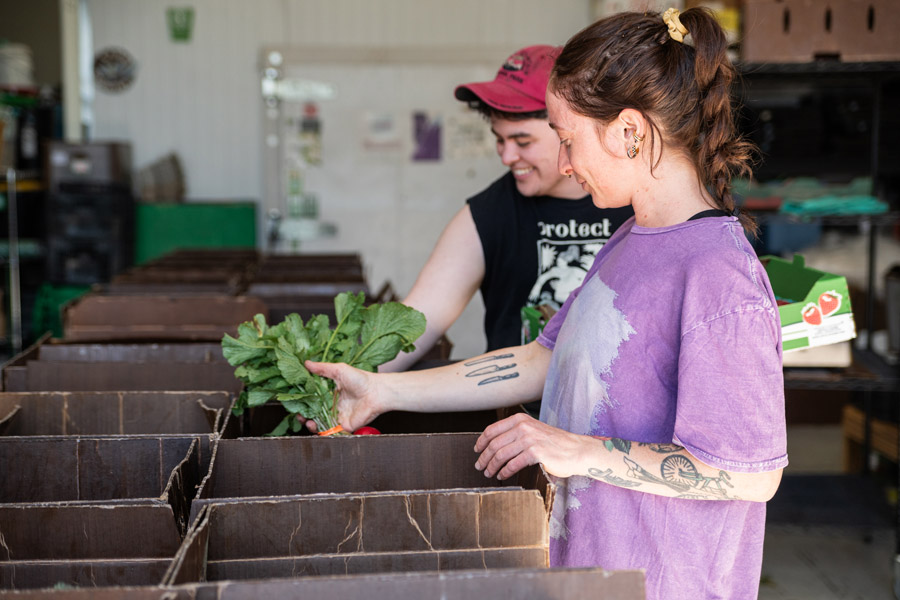
Recent updates to the Redmond pickup location are part of the organization’s continued efforts to strengthen service outside of the Bend and make shopping local more convenient for customers across Central Oregon. Customers can choose from multiple pickup locations or local delivery routes, creating greater flexibility while supporting regional farms and food producers. “Our goal is to make local food as accessible and convenient as possible, no matter where someone lives in Central Oregon,” said Erin Maher, Owner and Operator of Agricultural Connections. “Whether customers are shopping for weekly groceries, subscribing to a Harvest Box, or sourcing products for their business or institution, we’re working to create reliable access points that support both our communities and local producers.”
Multiple Ways to Shop Local
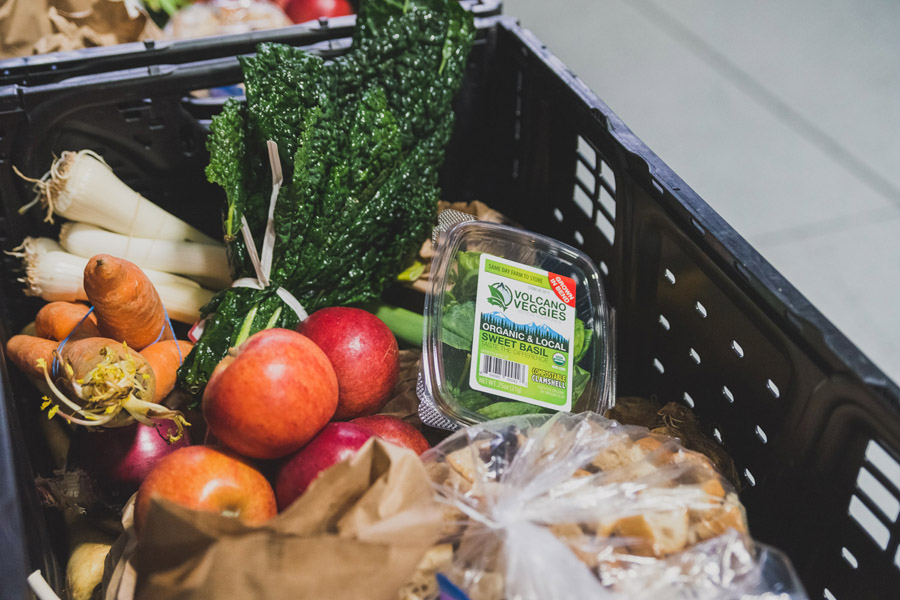
Agricultural Connections offers several ways for customers to incorporate local food into their routines. Customers can shop the online marketplace a la carte, building fully customized weekly orders from dozens of local producers. For those looking for a more curated experience, Agricultural Connections offers Harvest Boxes packed with a rotating selection of seasonal produce sourced from local and regional farms. Flexible subscription options are also available for Harvest Boxes and popular staples, allowing customers to receive recurring orders while still having the flexibility to skip, pause, or adjust their orders as needed.
Supporting Local Farms and Food Producers
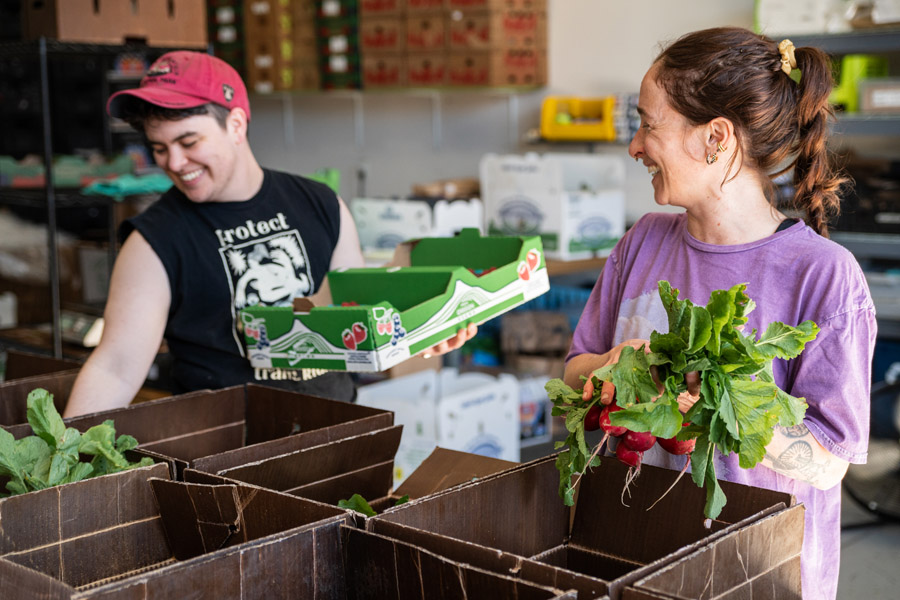
By aggregating products from dozens of local farms and food makers into one streamlined marketplace, Agricultural Connections helps producers reach customers throughout Central Oregon while keeping more food dollars circulating within the regional economy. By bringing more producers into one shared marketplace, Agricultural Connections helps small farms spend less time coordinating individual sales and more time focusing on what they do best: growing, harvesting, and making high-quality local food.
Wholesale & Business Partnerships
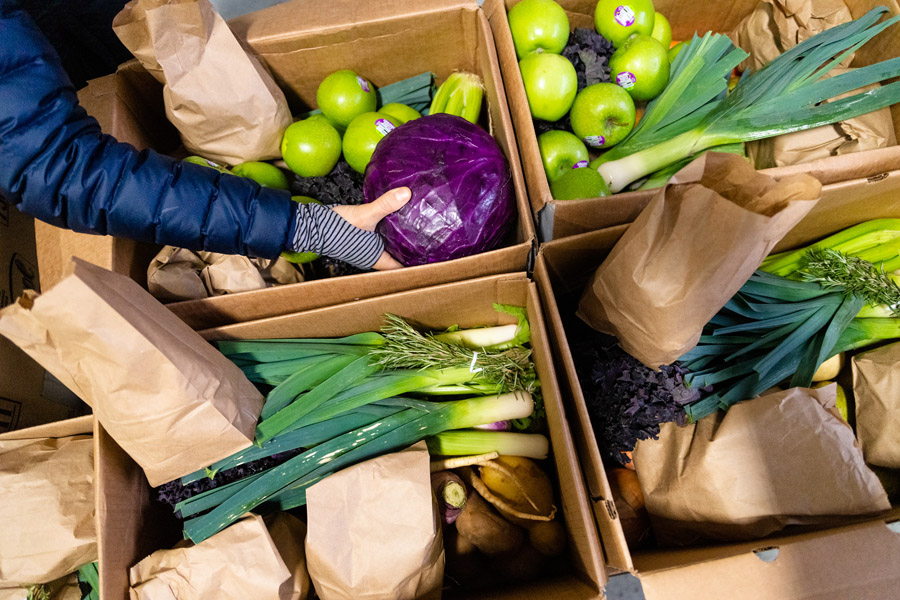
In addition to serving households, Agricultural Connections works with restaurants, schools, workplaces, retailers, and community organizations seeking locally sourced products through its wholesale ordering program. Businesses can access volume pricing, case quantities, and additional delivery options while supporting local farms and food producers throughout Central Oregon.
Shop Local
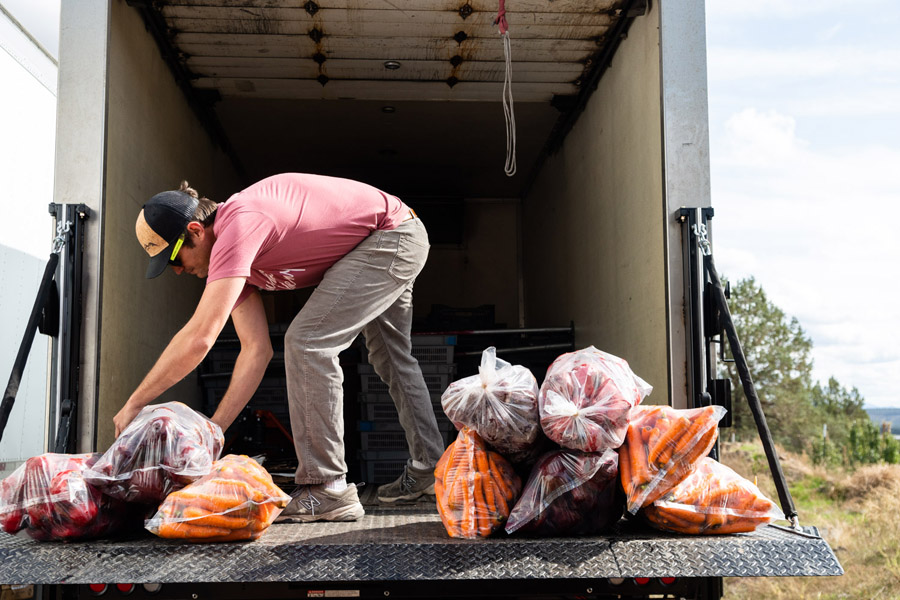
Whether you’re shopping for your household, subscribing to a Harvest Box to get a seasonal selection without having to choose, or sourcing ingredients for your business, Agricultural Connections offers a simple way to connect with the people and products that define Central Oregon’s food community.
• Shop the marketplace: https://agconnections.localfoodmarketplace.com/Products
• Explore Harvest Boxes: https://www.agriculturalconnections.com/how-it-works/#harvest-box
• Learn about wholesale ordering: https://www.agriculturalconnections.com/how-it-works/#wholesale